
Pancreatic cancer is one of medicine's cruellest diagnoses. By the time most patients hear the words, the disease has already slipped past the point where doctors can do much about it. More than 85% of cases are caught after the cancer has spread, and fewer than 15 in every 100 patients are still alive five years later.
That is the wall a team at the Mayo Clinic in Minnesota has just begun to chip away at — and they have done it with artificial intelligence.
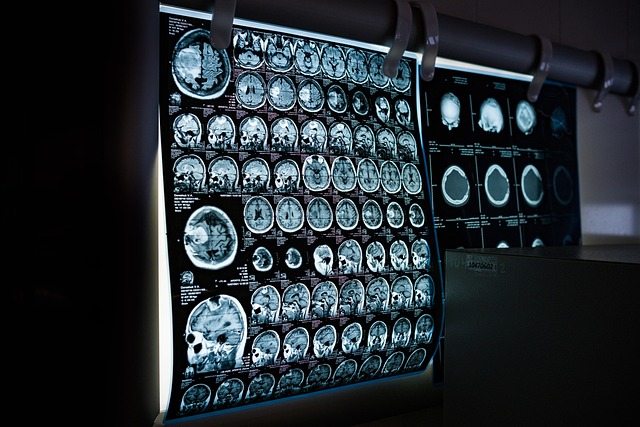
In a landmark validation study published this week in the journal Gut, Mayo researchers showed that an AI model they call REDMOD can spot the faint signature of pancreatic cancer on ordinary abdominal CT scans up to three years before a patient is diagnosed. The scans, in many cases, had already been read as completely normal by human specialists.
How the model works
REDMOD — short for the Radiomics-based Early Detection Model — does not look at a CT scan the way a radiologist does. Instead of hunting for a visible tumour, it measures hundreds of tiny mathematical features that describe the texture and structure of pancreatic tissue.
Those features pick up on biological changes that are simply too subtle for the human eye: a slight shift in tissue density here, a faint pattern there. Add them together and they form what the team describes as a "signature" of cancer that appears long before any lump shows up on the screen.
Crucially, the model is designed to run on scans that have already been taken for other reasons — a back twinge, a kidney stone, a routine check-up — without any extra preparation, extra radiation or extra cost to the patient.
What the study found
The team tested REDMOD on nearly 2,000 CT scans drawn from multiple hospitals, scanner brands and imaging protocols. It correctly flagged 73% of pre-diagnostic cancers at a median of around 16 months before a clinical diagnosis was made — nearly twice the rate of specialists reviewing the same scans unaided.
The further back in time the scans went, the bigger the AI's advantage. On images taken more than two years before diagnosis, REDMOD picked up almost three times as many early cancers that would otherwise have been missed entirely.
"The greatest barrier to saving lives from pancreatic cancer has been our inability to see the disease when it is still curable," said Dr Ajit Goenka, the study's senior author and a Mayo Clinic radiologist. "This AI can now identify the signature of cancer from a normal-appearing pancreas, and it can do so reliably over time and across diverse clinical settings."
Hopeful, but not yet a rollout
It is worth being careful here. This is a validation study, not a regulatory green light. REDMOD has not yet been deployed in routine NHS or US clinical practice, and any AI tool used in cancer care will need to clear a high bar on false positives — the last thing patients need is a wave of needless biopsies.
Mayo's next step is a prospective trial called AI-PACED (Artificial Intelligence for Pancreatic Cancer Early Detection), which will follow patients at elevated risk — including people newly diagnosed with diabetes, a known warning sign — and test how the model performs in real clinical workflows.
The research is part of Mayo's wider Precure initiative, which aims to spot disease before symptoms begin, and was funded by the US National Institutes of Health, the Hoveida Family Foundation and the Champions for Hope pancreatic cancer research programme.
If the prospective trial holds up, this could become one of the first genuine examples of AI doing what it was always promised to do in medicine: not replacing doctors, but giving them three extra years to save a life.