
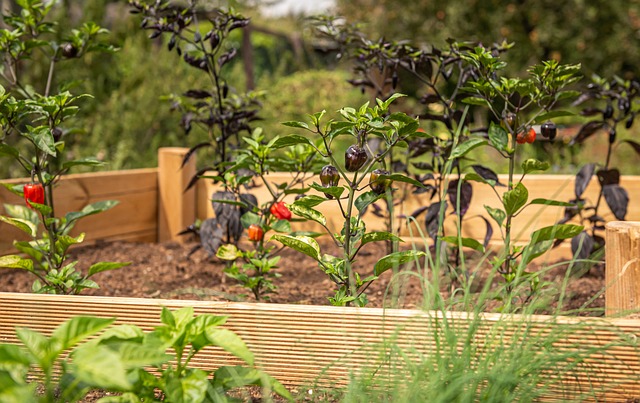
A chilly April morning at the Molly Weir Garden in north Glasgow, and the first of the raised beds are waking up. Volunteers kneel in the damp soil, pressing seedlings into place and trading stories over flasks of tea. It doesn't look like a mental health clinic. According to a major new study, that's exactly the point.
Research published by Michigan State University (MSU) and partners has found that community gardening delivers measurable boosts to mental and social wellbeing — and the findings have striking resonance for Glasgow, where grassroots garden projects are quietly rewriting what "health support" can look like.
The study, led by nutritional epidemiologist Professor Katherine Alaimo of MSU's Department of Food Science and Human Nutrition, followed 34 first-time community gardeners over a single growing season in partnership with Denver Urban Gardens. Researchers identified what they call "the gardening triad" — caring for plants, feeling a sense of accomplishment, and connecting with nature — as a near-universal driver of improved wellbeing. The findings were published in the journal People and Nature.
"We were surprised to find that the gardening triad was nearly universal among the participants, and that love was integrated throughout the gardening experience — love and connection with plants, self and nature," Professor Alaimo said.
Co-author Eva Coringrato, previously of Wayne State University, added: "Many individuals found joy, purpose and meaning in their work, and their confidence and self-esteem was boosted, which helped them deal with mental health challenges such as depression, anxiety and stress."
From Michigan to Keppochhill Road
The findings will ring true at the Cowlairs Community Flat + Garden on Keppochhill Road, run by Willowacre Trust, West of Scotland Housing Association's charitable arm. Since opening in March 2025, the hub has built a weekly gardening group alongside social sessions, ESOL conversation cafes and creative workshops at the nearby Molly Weir Garden.
In December, Scottish Government Minister for Social Care and Mental Wellbeing Tom Arthur MSP visited the Flat for a festive crafts session. "This visit highlighted just how vital community mental health is to support a healthy, connected society," he said. "I was inspired by the energy, creativity, and warmth of everyone involved."
Linda Allan, Willowacre Trust's Community Support Services Manager, said the Scottish Government's Mental Health and Wellbeing Fund had been central to the project. "We've been able to deliver a diverse programme of groups and courses… that support mental wellbeing while bringing our neighbourhood together through creativity, learning, conversation, and social connection," she said. "Community members are now confidently shaping the programme."
A prescription with roots
The link between soil and soul is already being formalised north of the border. NHS Scotland's Think Health Think Nature programme promotes "green prescriptions" — a form of social prescribing in which GPs, nurses, physiotherapists and community link workers connect patients with nature-based activities, including gardening, outdoor volunteering and mindfulness.
The MSU research is likely to strengthen the case for widening that pathway. With mental health services stretched and waiting lists long, advocates argue low-cost, community-led interventions should sit alongside clinical care, not behind it.
"I came for the courgettes and stayed for the company," said Margaret, a retired teacher and regular at the Cowlairs gardening group. "You feel useful again. The plants need you to turn up — and so do the folk beside you."
Whether Glasgow City Council and NHS Greater Glasgow and Clyde choose to lean further into that model remains an open question — but on Keppochhill Road, the neighbours are already getting on with it.