
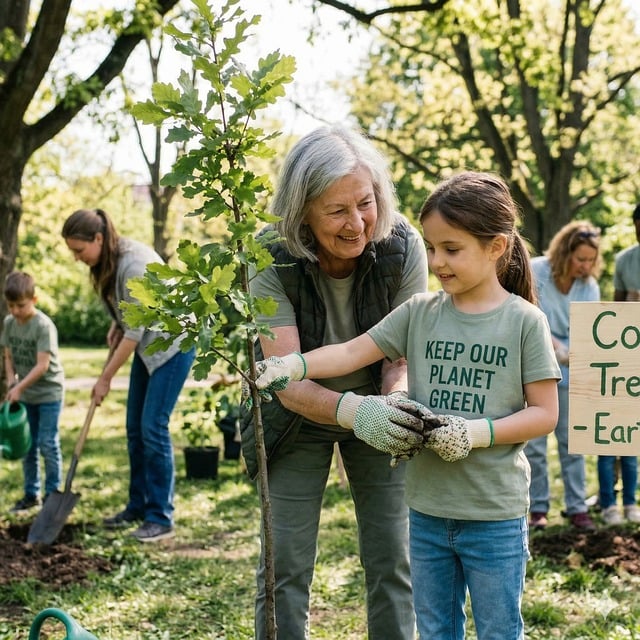
On a damp Wednesday morning in North Glasgow, the Molly Weir Garden off Keppochhill Road is doing something the NHS is increasingly willing to pay for: it is making people feel better.
The patch of green, tended by regulars from the Cowlairs Community Flat & Garden, has only been open since March 2025. In just over a year it has become one of a small but growing number of Glasgow projects that GPs and social-care link workers are quietly steering anxious, lonely and isolated patients towards — a practice known as green social prescribing.
"Thanks to the Scottish Government's Mental Health and Wellbeing Fund, we've been able to deliver a diverse programme of groups and courses based at the Community Flat that support mental wellbeing while bringing our neighbourhood together through creativity, learning, conversation, and social connection," said Linda Allan, community support services manager at Willowacre Trust, the charitable arm of West of Scotland Housing Association which runs the site.
The flat hosts a weekly gardening group, a Wednesday social, and an ESOL conversation café. None of it sounds like medicine. That, organisers say, is rather the point.
A prescription you can dig
Green social prescribing lets a GP, nurse or social worker refer patients to non-clinical, nature-based activities — community gardening chief among them — instead of, or alongside, talking therapies and medication.
The evidence base is no longer thin. A 2024 Defra-commissioned study led by the University of Exeter tracked 8,339 people with mental health needs through seven nature-prescribing pilots in England. Before they started, participants' happiness, anxiety and life-satisfaction scores were worse than the national average. Afterwards, they used words like "joyful", "happy" and "calm".
"Green social prescribing is an effective way of supporting people," said Professor Ruth Garside of Exeter's European Centre for Environment and Human Health, who led the report. "This is just the beginning."
A separate University of Glasgow review of the city's own community gardens found they were functioning as "sustainable communities of care" — places where neighbours quietly absorb the work that overstretched services cannot.
More than Cowlairs
Cowlairs is not alone. Across the river, Glasgow Community Food Network — the umbrella body for the city's growers, cooks and food projects — is in the middle of a 2025–26 campaign called The Life Cycle of Food, with hubs including the Kinning Park Complex community garden in the south side. The network connects dozens of allotments, school plots and food-growing spaces, many of which take referrals or simply welcome anyone who turns up with muddy boots and a willingness to help.
The Unity for Integration Project, which works with refugees and newcomers in Glasgow, says shared plots have become unexpected sites of language exchange and friendship: "Neighbours from diverse backgrounds bring seeds, recipes and seasonal knowledge… reducing isolation and strengthening everyday trust across cultural lines."
For a city still carrying the social bruises of the pandemic — and the older, deeper isolations that lockdown only sharpened — a free seat at a kitchen table next to a vegetable bed is not a small thing.
"Energy, creativity and warmth"
Scottish Mental Wellbeing and Social Care Minister Tom Arthur visited Cowlairs late last year and joined residents making recycled Christmas decorations. "I was inspired by the energy, creativity, and warmth of everyone involved," he said, "and I look forward to seeing the continued positive impact of this hub in the community."
That impact, Allan said, is now being shaped by the people using it: "Community members are now confidently shaping the programme by coming to us and suggesting new groups and events."
How to get involved
The Cowlairs Community Flat & Garden welcomes new members through Willowacre Trust; details and a full timetable are on the West of Scotland Housing Association site. Glasgow Community Food Network's interactive map at glasgowfood.net lists growing spaces, food pantries and volunteer days across every postcode in the city.
You don't need a referral. You don't even need a trowel. You just need to turn up.