On a Saturday morning in May, the streets of Eyemouth filled with the sound of footsteps where, 150 years ago, there were hooves.
The little Berwickshire fishing port has just marked a century and a half of lifeboat service in the way the town knows best — by walking it. On 2 May, the current RNLI crew hauled their modern inshore D-class boat through the same streets that, in 1876, were lined with six horses straining at the harness of a 30ft, eight-oared vessel called the James and Rachel Grindlay.
That first lifeboat had arrived from London by train at Burnmouth station. The horses took it the rest of the way, down through Eyemouth and onto the beach, where the founding Coxswain, William Nesbit, launched it for the first time. According to the BBC, around 5,000 people turned out to watch.
The crowds were smaller this weekend, but the welcome was no less warm.
A job that runs in the family
For Dean Mark, one of the crew who took part, the walk was more than ceremonial. He is the third generation of his family to serve at Eyemouth Lifeboat Station, a quiet fact that says a great deal about how the RNLI roots itself in coastal towns.
"Retracing this journey, it certainly makes you think about the history of the station," he told the BBC. Then, with the dry humour that tends to travel well in fishing ports, he added: "It must have been really hard work back then… for the horses."
Fellow crew member Wendy Lorimer admitted the pull was harder than it looked. "It went really great, we were even running at one point," she said. "But I am so happy that people have turned out to support us."
The harbour at the heart of it
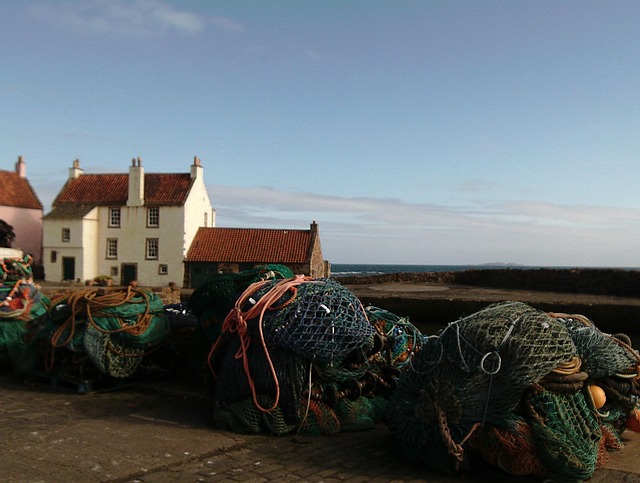
Eyemouth is the main fishing port in the Scottish Borders, and the harbour has always been the town's living room: the place where weather is read, news is exchanged, and losses are remembered. The lifeboat sits at the centre of all of that.
Coxswain Andrew Jamieson, who leads the modern crew, said retracing the 1876 route had been a long-anticipated moment for the station.
"It's a big part of the station's history, so it was a big thing for us recreating this journey," he said. "The lifeboat is always a big part of the community — it's like an extended family for most."
That extended family turned out along the route, just as their great-great-grandparents had. The crew were piped into the water at the Old Coble House, the town's original lifeboat station, for a short demonstration in the bay before the boat was returned to normal service.
Past and present, pulling together
There is something quietly moving about a community that still measures itself in generations of volunteers. The boat is faster now, the kit lighter, the training more sophisticated. The horses have long gone. But the essential bargain between Eyemouth and its lifeboat crew — we will turn out for you, and you will turn out for us — has not shifted an inch since 1876.
Jamieson put it plainly enough.
"It's great to celebrate milestones like this, it really puts things into perspective," he said. "But at the end of the day we have a job to do for the people of Eyemouth, and we must continue to do it."
A hundred and fifty years on, the town would have it no other way.