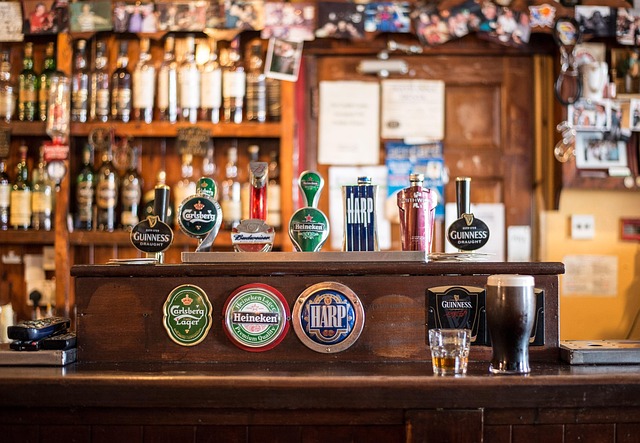
When Steve Latto looks back at Friday nights at The Criterion, his family-run bar in St Andrews, he remembers crowds standing shoulder to shoulder. Now, he tells the BBC, customers glance through the door, decide it looks too busy, and walk straight back out.
"They don't want to be in close proximity to people," Latto says. He believes 2026 will be the worst year the pub trade has faced — squeezed by rising costs, business-rate changes and, he thinks, a generation that simply socialises differently.
Across Scotland, publicans are coming to the same conclusion: the post-work pint and the lock-in have a new rival, and her name is Gen Z. But rather than bolt the doors, many are quietly rewriting what a Scottish pub is for.
A pint, plus something to do
Louise Maclean, business development director of Signature Group — which runs 20 sites including Cold Town House in Edinburgh and the Church on the Hill in Glasgow — told the BBC the demands of younger drinkers have "completely changed".
"Young people want to be entertained because their lives are governed by the device in their hand," she said. "Whether that is sport, whether that is music, quizzes, wreath-making, whatever it is, it's all about experiences."
Maclean is blunt about the economics. The "old man boozer" model — one regular nursing a £7 pint for 90 minutes — is, she says, "hanging by a thread". The maths simply do not work.
So the maths is changing. Quiz nights, drag bingo, open-mic slots, karaoke and board-game cafés are spreading through Scotland's cities and towns. Edinburgh's Fountain Bar runs a weekly quiz in Fountainbridge; Glasgow's Old Schoolhouse pulls midweek crowds with trivia; specialist aggregator PubQuizzy now lists scores of regular nights from the Borders to the Highlands.
Trade title The Morning Advertiser argues the shift is structural rather than a phase. "Customers are choosing venues that offer more than just a place to drink," it noted in March. "They're choosing places that bring people together."
"Chronically online"
The young Scots interviewed by the BBC are remarkably candid about why. Edward Males, a 23-year-old postgrad at the University of St Andrews who also works behind a bar, thinks his cohort had their "social skills stolen" by lockdown. Phones, he says, fill the awkward silences his parents' generation simply lived through.
There is also the constant low hum of being filmed. "I don't want to end up in the background of people's Instagram stories," 27-year-old Stephanie English told the broadcaster. "I'm definitely not as sociable as even my older siblings were at my age."
For 22-year-old Keira McCue, the answer isn't to stay home — it's to ask the pub to do more. She is already in touch with her friends all day on her phone, she points out, so meeting up has to feel like an event. "A quiz or a game is one of the main things that would get me to the pub," she said. Cocktails at £11 or £12, while she is saving for a house, do not.
Adaptation, not decline
None of the publicans the BBC spoke to sound defeated — wary, yes, but pragmatic. Maclean's prescription is to stay one step ahead of what is "trending" and bend it to fit the trade. Latto, for all his gloom about the year ahead, is still pouring pints in a 19th-century bar in a university town.
The Scottish pub, in other words, isn't dying. It is just learning to host a quiz.