
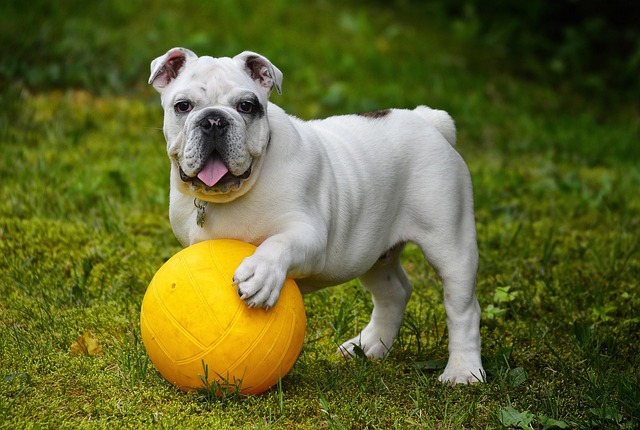
For 500 days, Butters watched other dogs leave the Scottish SPCA's Lanarkshire centre with new families. This month, at last, it was his turn.
The big, handsome American Bulldog — originally named Fury — has finally been adopted after more than a year and a half in kennels. His new owners, Cat and her partner Drew, say he has slipped into family life so easily that visitors are often astonished to learn he is a rescue dog at all.
"When Fury first arrived at our Lanarkshire centre, it was clear he was a special boy," Scottish SPCA staff wrote in an announcement on social media. "Big, handsome, and full of personality, he quickly won hearts with his gentle manners and playful nature."
That gentle nature came with a name change. Fury, the staff decided, was not remotely Fury. He became Butters — a nod, colleagues said, to how soft he really is.
A stacked deck for long-stay dogs
Despite his cuddly temperament, Butters was repeatedly passed over. Staff say he needed a calm, adult-only home where he could be the sole focus of attention — a requirement that narrows the pool of potential adopters considerably.
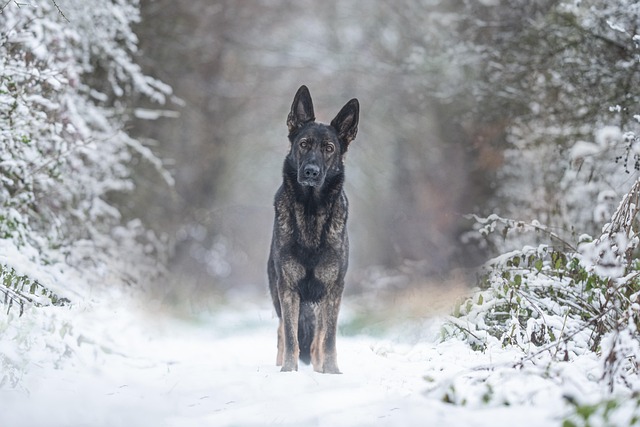
Long-stay dogs like Butters face an uphill battle. Rescue workers across the UK say older, larger or stronger-looking breeds are routinely overlooked in favour of smaller, more photogenic dogs. Research highlighted by Country Living found that shelters cited fashion trends and celebrity influence as a leading reason certain breeds — including bulldogs, boxers and German shepherds — are abandoned and left waiting.
Size, perceived reputation and misunderstood body language all play a part. A dog who looks imposing in a kennel photograph can seem an entirely different animal once he's flat on his back asking for a belly rub.
A perfect match
Butters's luck turned when Cat and Drew walked through the door. The couple had always wanted a dog, and American Bulldogs had long been among their favourite breeds.
"When they first saw Butters and learned about his story, they quickly felt that he was meant to come home with them," Scottish SPCA staff said.
He has settled in so thoroughly that his favourite pastimes now include watching football on the telly, carrying soft toys from room to room, and guarding a squeaky fish chew that, by all accounts, rarely leaves his side.
"Now happily settled into family life, Butters has made himself completely at home," the centre team added.
Scotland's other waiting dogs
Butters may have found his people, but plenty of other long-stay dogs are still hoping for theirs. The Scottish SPCA has animals in need of adoption at centres in Lanarkshire, Edinburgh, Aberdeen and Glasgow, including Skye, a young Staffordshire bull terrier cross described by the charity as the longest-staying dog at its Aberdeen centre.
Staff urge prospective adopters to keep an open mind about breed, size and age. Applications can be made through the Scottish SPCA website, after which the charity's adoption team matches each applicant with a suitable animal and arranges a home check.
For readers who can't take on a dog themselves, the charity relies on donations, foster volunteers and fundraising to keep its centres running.
Butters, meanwhile, has declined further comment. He is, his family reports, busy with the football.