
For the 80 million Americans prescribed something for moderate-to-severe acute pain each year, the choice has long been a stark one: tough it out, or risk an opioid. A new drug called suzetrigine — sold under the brand name Journavx — is offering a third path.
Approved by the US Food and Drug Administration on 30 January 2025, suzetrigine is the first painkiller in a genuinely new class to reach patients in more than a quarter of a century. Crucially, it appears to ease pain without the addictive pull that has fuelled one of the worst public health crises of modern times.
Now attention is turning to whether and when British patients will be able to access it — and a newly streamlined UK approvals process could mean sooner than many expect.
How is it different from an opioid?
Opioids work in the brain. They latch onto opioid receptors, dampening pain signals but also flooding the brain's reward system with dopamine. That euphoria is what makes them so dangerous: Vertex Pharmaceuticals, the drug's manufacturer, estimates that nearly one in ten patients first given opioids for acute pain will go on to use them for longer than intended.
Suzetrigine works further down the line. It selectively blocks a sodium channel called NaV1.8, found almost exclusively on the pain-sensing nerves out in the body. The drug stops the pain signal at source — before it ever reaches the brain. Because it doesn't cross into the central nervous system, there is no high, no sedation, no respiratory depression, and, in trials so far, no sign of abuse potential.
The selectivity is striking: according to a summary by the CAS Science Team, suzetrigine is more than 31,000 times more selective for the pain pathway than for other tissues, sparing the heart and brain that earlier sodium-channel blockers affected.
What does the evidence say?
The FDA's approval rested on two large randomised trials — one in patients recovering from abdominoplasty (a "tummy tuck") and one after bunion surgery — involving 874 participants in total. Each trial pitted suzetrigine against both a placebo and a low-dose opioid combination (hydrocodone with paracetamol). Both trials, the agency said, "demonstrated a statistically significant superior reduction in pain" compared with placebo, and the approval was hailed as "an important public health milestone in acute pain management" by Jacqueline Corrigan-Curay, acting director of the FDA's Center for Drug Evaluation and Research.
But not everyone is breaking out the bunting. Writing in BMJ Medicine, Dr Jay Karri and colleagues argue that suzetrigine's "arrival should be met with cautious optimism", noting that the comparator opioid dose used in the trials was relatively low and that follow-up ran for only 48 hours. "Despite recent approval from the FDA, the clinical benefits of suzetrigine remain modest and contested," they wrote.
The same editorial flagged unanswered questions about chronic pain: an early trial in lumbosacral radiculopathy — a form of sciatica-like nerve pain — showed clinical improvement but failed to clearly beat placebo.
Who could it help?
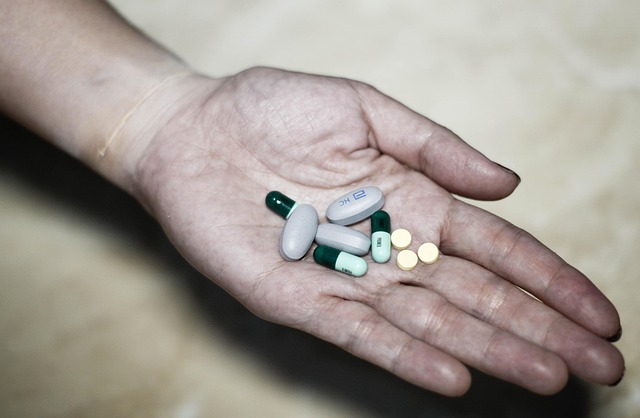
For now, the drug is licensed only for short-term, moderate-to-severe acute pain in adults — typically after surgery or injury. The most common side effects in trials were itching, muscle spasms and rash. Patients are advised to avoid grapefruit and grapefruit juice, which interfere with the liver enzymes that break the drug down and can push levels in the body higher than intended. Suzetrigine is not yet recommended for children.
Even with those caveats, the public-health prize is substantial. More than 80,000 Americans died from opioid-involved overdoses in 2022, according to the US Centers for Disease Control and Prevention. In the UK, opioid prescribing has been falling but still contributes to thousands of deaths every year.
When could UK patients get it?
Suzetrigine is not yet licensed in the UK. But on 1 April 2026, the Medicines and Healthcare products Regulatory Agency (MHRA) and the National Institute for Health and Care Excellence (NICE) launched a joint "aligned pathway" designed to run licensing and value-for-money assessments side by side, shaving up to six months off the wait for new medicines. The first guidance under the new system is expected in June 2026.
Vertex has not confirmed a UK filing date for suzetrigine — priced at around £12.50 per capsule in the US — but the drug is widely seen as a strong candidate for the streamlined route.
For pain patients and the doctors who treat them, the message is one of measured hope. Suzetrigine is not a silver bullet. But after 25 years without a genuinely new class of painkiller, it is — at last — something different.