

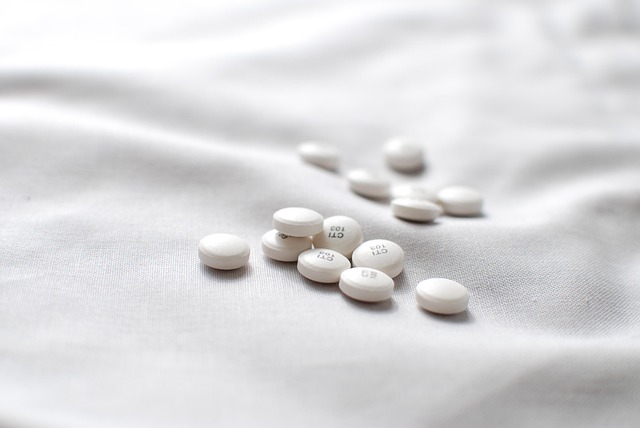
For millions of people living with moderate to severe pain, the choice has long felt impossibly cruel: suffer through it, or risk the grip of opioid addiction. Now, a quietly revolutionary drug is offering a third option — and it may be the most significant breakthrough in pain medicine in a generation.
Suzetrigine, sold under the brand name Journavx, was approved by the US Food and Drug Administration in January 2025. It is the first entirely new class of pain medication to reach patients in more than 20 years, and it works in a way that is fundamentally different from opioids.
How it works — without touching the brain
The key to suzetrigine's promise lies in where it acts. Opioids work by binding to receptors in the brain, blocking pain but also producing the euphoric effects that can lead to dependence. Suzetrigine takes a completely different approach.
It selectively blocks a sodium channel called NaV1.8, found exclusively in peripheral pain-sensing neurons — the nerve cells that detect injury and send pain signals to the brain. By intercepting those signals at their source, suzetrigine reduces pain before it ever reaches the central nervous system.
Crucially, NaV1.8 channels are not found in the brain or heart. Suzetrigine achieves more than 31,000-fold selectivity for these peripheral pain pathways, meaning it targets pain signals with remarkable precision while leaving other bodily systems alone. No euphoria. No sedation. No evidence of addictive potential.
"For pain physicians, the holy grail of medication management is something that can block pain with no side effects," said Dr Robert Chow, an anaesthesiologist and pain management specialist at Yale Medicine. With suzetrigine, he said, "we have an approved non-opioid treatment that delivers effective acute pain relief and a favourable safety profile."
The scale of the problem
The need for alternatives to opioids is staggering. In the United States, roughly 80 million people are prescribed medication for moderate to severe acute pain each year, and about 40 million of those prescriptions are for opioids. Nearly one in ten patients initially treated with opioids go on to prolonged use, and around 85,000 develop opioid use disorder annually.
From 1999 to 2022, nearly 727,000 Americans died from opioid overdoses, according to the Centers for Disease Control and Prevention.
The crisis is not confined to the US. In Scotland, opioids were implicated in 80 per cent of drug-related deaths in 2024, according to National Records of Scotland — a figure that has remained stubbornly high even as overall drug death numbers have begun to fall.
What the trials showed
Suzetrigine was tested in two large clinical trials involving around 1,000 patients each, who experienced moderate to severe pain following surgery. Participants receiving suzetrigine reported pain relief comparable to those given the opioid hydrocodone/paracetamol (Vicodin), and both medications outperformed placebo.
The most common side effects were mild: itching, muscle spasms, and rash — a stark contrast to the nausea, drowsiness, constipation, and dependency risks associated with opioids.
A first step, not a final answer
Suzetrigine is currently approved for acute pain — the kind that follows surgery, injury, or trauma and typically resolves within weeks. For the millions living with chronic conditions, the picture is still developing.
Vertex Pharmaceuticals, which developed the drug, is running Phase 3 trials investigating suzetrigine for chronic pain conditions including diabetic peripheral neuropathy. Early results have been encouraging, though long-term efficacy data is still being gathered.
Dr Stephen Waxman, a Yale neuroscientist whose research over 25 years laid the groundwork for NaV1.8-targeting drugs, has called suzetrigine's approval a milestone — not because the drug is perfect, but because it provides "proof of concept" that blocking peripheral sodium channels can meaningfully reduce pain in humans.
"This is a first step," Dr Waxman said. "We have more work to do, but I expect that next-generation drugs will be even better."
Several major pharmaceutical companies, including Pfizer and GSK, are now developing their own NaV1.8 inhibitors, signalling that an entire new category of pain treatment may be emerging.
For people who have spent years navigating the impossible trade-off between pain and addiction risk, suzetrigine represents something that has been in short supply: genuine hope.