

The Computer That Refused to Die: Inside the Amiga's Extraordinary Second Life
Forty years after it launched and thirty-two years after its maker went bankrupt, the Commodore Amiga is thriving — and one enthusiast's upgraded A600 tells the story of why
Douglas Carnegie describes himself as a "lamer." In the Amiga scene, the term refers to someone who uses and admires the machines rather than creating software for them. "I couldn't make music, crack copy protection, create mesmerising graphics routines, games or utilities," he says, "but I could ooh and aah plenty, and still do, when the fruits of these wizards' labours made their way into our hands."
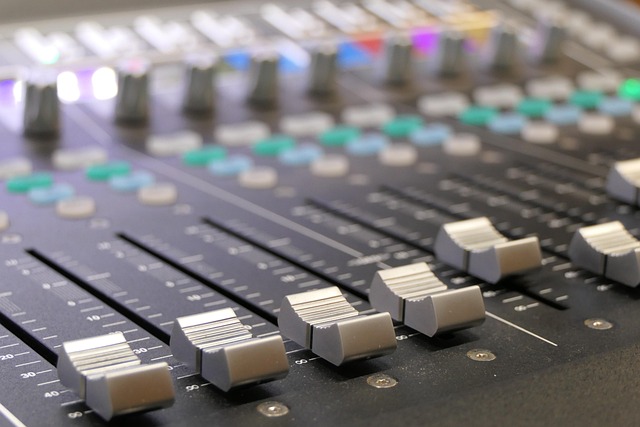
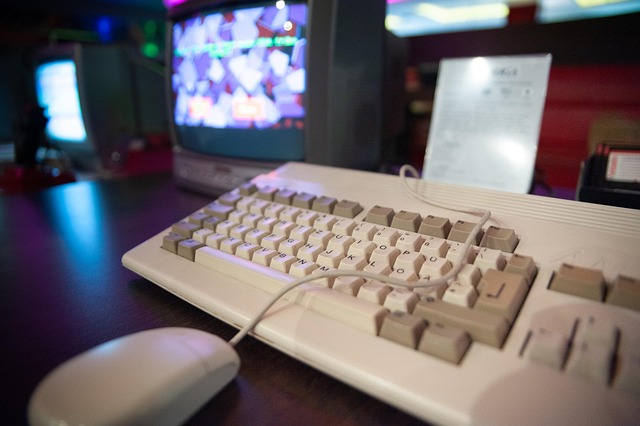
It is, as self-deprecation goes, rather misleading. Carnegie's current setup — a modified Commodore Amiga 600 running a 25MHz 68030 processor, 32MB of fast RAM, an FPGA video scandoubler, and CompactFlash storage, serving as the MIDI nerve centre of a recording studio synced to an eight-track digital tape recorder — suggests someone who has got rather more of a hold on this forty-year-old platform than he lets on.
And that phrase — getting a hold of it — turns out to be the key to understanding why, in 2026, the Commodore Amiga is not merely surviving but actively thriving.
Read full story →